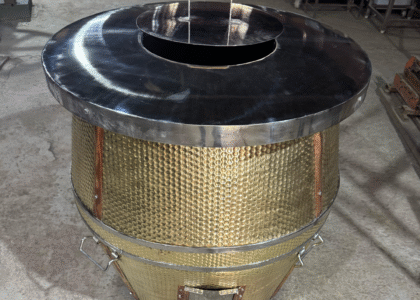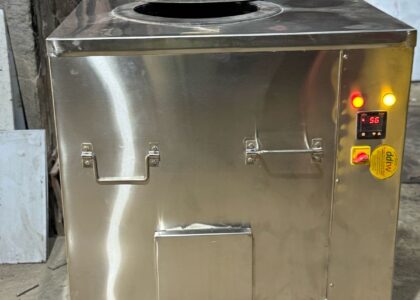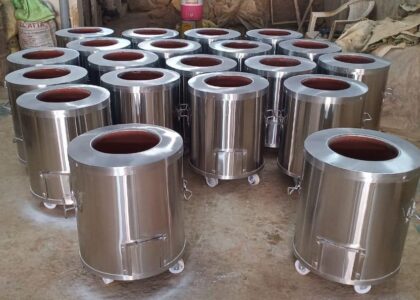

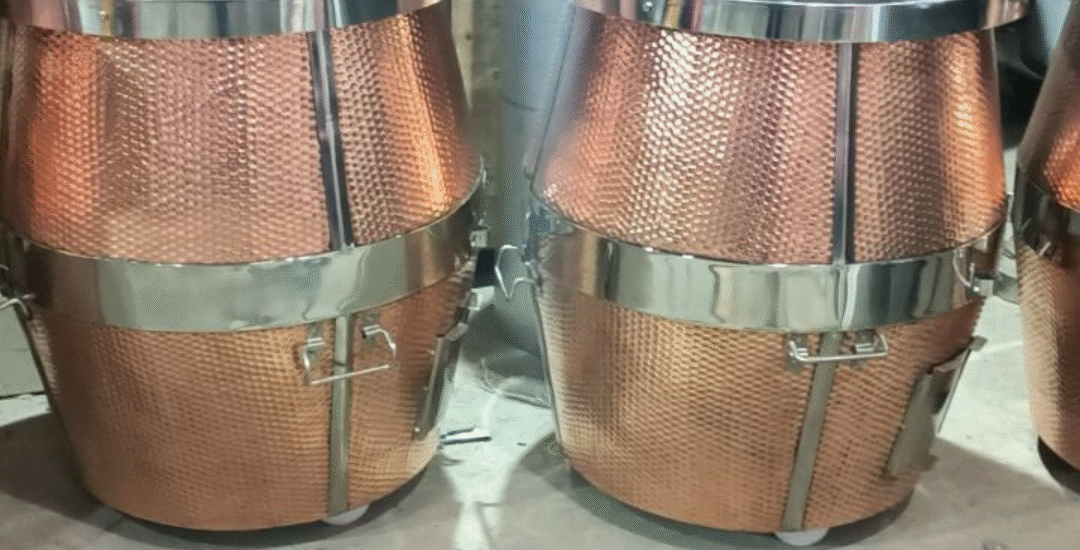
Commercial tandoor Manufacturer From Japan
The global foodservice industry continues to evolve as chefs, restaurateurs, and catering businesses search for reliable equipment that delivers authenticity, efficiency, and consistency. Among traditional cooking equipment, the commercial tandoor holds a unique position. It blends centuries-old culinary heritage with modern engineering demands. Today, Japan has emerged as an unexpected yet powerful force in commercial kitchen manufacturing, especially in precision-driven equipment like commercial tandoors.
As a commercial tandoor manufacturer from Japan, durgadasstandoorwala represents a rare combination of traditional tandoor craftsmanship and Japanese manufacturing discipline. This blog explores how Japanese innovation, strict quality control, and advanced materials have redefined the commercial tandoor industry and why businesses across the world now prefer Japanese-engineered tandoors.
Understanding the Importance of Commercial Tandoors in Modern Kitchens
Commercial kitchens demand more than basic cooking appliances. They require equipment that performs under pressure, handles continuous operations, and maintains consistent output. A commercial tandoor must withstand extreme temperatures, operate safely for long hours, and deliver uniform heat distribution.
Restaurants specializing in Indian, Middle Eastern, Central Asian, and fusion cuisines rely heavily on tandoors for preparing naan, roti, kebabs, tikkas, and roasted vegetables. Without a dependable tandoor, kitchen efficiency suffers, food quality declines, and operational costs increase.
Manufacturers must therefore focus on:
Heat retention and insulation
Structural durability
Fuel efficiency
Operator safety
Ease of maintenance
Japanese manufacturing standards align perfectly with these requirements.
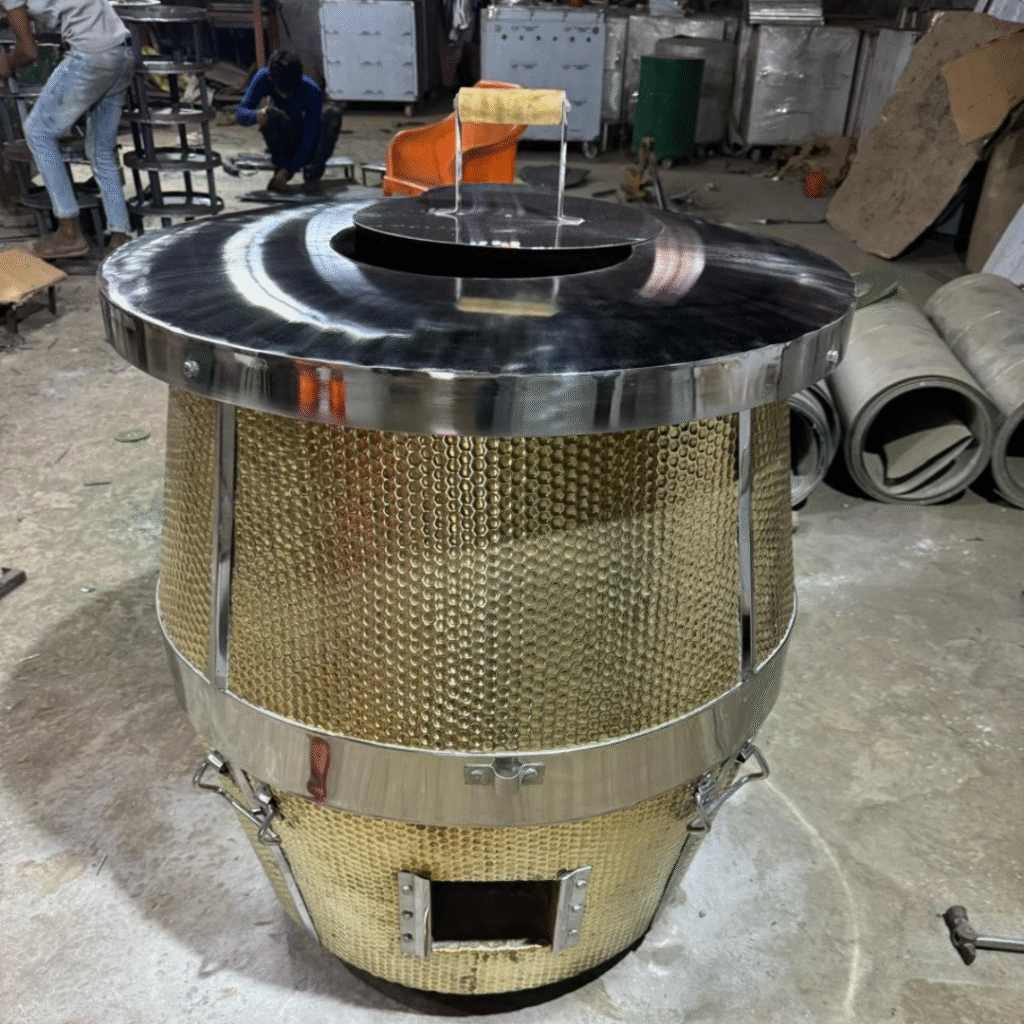
Why Japan Has Become a Trusted Hub for Commercial Kitchen Equipment
Japan enjoys global recognition for precision engineering, automation, and manufacturing excellence. Industries ranging from automotive to electronics benefit from Japanese quality systems, and commercial kitchen equipment follows the same philosophy.
Japanese manufacturers prioritize:
Kaizen (continuous improvement)
Zero-defect production
Material science innovation
Long-term performance
When applied to commercial tandoor manufacturing, these principles produce equipment that delivers exceptional consistency, safety, and longevity.
durgadasstandoorwala applies these Japanese standards while preserving the traditional essence of tandoor cooking.
Evolution of Commercial Tandoor Manufacturing in Japan
Initially, tandoors entered Japan through the rise of international cuisine and Indian restaurants. Early imports highlighted design flaws when exposed to high-volume operations. Japanese engineers studied these limitations and began redesigning the structure, insulation, and airflow systems.
Over time, manufacturers refined:
Clay lining thickness
Outer steel body strength
Temperature control mechanisms
Heat circulation patterns
This evolution transformed the commercial tandoor into a highly engineered cooking system rather than a simple clay oven.
The Manufacturing Philosophy Behind durgadasstandoorwala
durgadasstandoorwala follows a manufacturing philosophy rooted in performance, reliability, and culinary authenticity. Each commercial tandoor undergoes meticulous planning, design validation, and quality checks before reaching professional kitchens.
The brand focuses on:
Consistent heat output
Optimized fuel usage
Strong insulation systems
Long operational life
Instead of mass production shortcuts, every unit receives careful attention to detail.
Advanced Materials Used in Japanese Commercial Tandoors
Material selection defines the lifespan and efficiency of a commercial tandoor. Japanese manufacturing emphasizes scientific testing and proven performance.
Key materials include:
High-grade refractory clay for inner lining
Heat-resistant stainless steel for outer bodies
Ceramic insulation layers to prevent heat loss
Industrial-grade burners for gas-fired models
These materials ensure minimal cracking, better heat retention, and improved cooking consistency.
Types of Commercial Tandoors Manufactured
Commercial kitchens operate in diverse environments, and one tandoor design cannot suit all needs. durgadasstandoorwala offers multiple commercial tandoor types to meet global demand.
Gas Commercial Tandoor
Gas tandoors provide quick ignition, temperature control, and clean operation. Restaurants with high customer turnover prefer gas models for speed and consistency.
Charcoal Commercial Tandoor
Charcoal tandoors deliver traditional smoky flavors that many chefs value. These models work best for specialty restaurants focused on authenticity.
Electric Commercial Tandoor
Electric tandoors suit locations with strict fire or ventilation regulations. They offer controlled heating and low emissions.
Hybrid Commercial Tandoor
Hybrid models combine gas efficiency with charcoal flavor, offering flexibility to chefs.
Each type meets international safety and performance standards.
Conclusion
The commercial tandoor remains a cornerstone of many professional kitchens, and its performance directly influences food quality and operational efficiency. Japan’s entry into commercial tandoor manufacturing has redefined expectations through precision engineering, advanced materials, and strict quality control.
As a commercial tandoor manufacturer from Japan, durgadasstandoorwala combines traditional cooking principles with modern manufacturing excellence. The result is a reliable, efficient, and durable commercial tandoor that meets the demands of global foodservice businesses.
For restaurants and catering operations seeking long-term performance, safety, and consistency, Japanese-engineered commercial tandoors represent a smart and future-ready investment.